Know Your Enemy
Pest Identification Guide
Learn to identify common pests, recognize signs of infestation, and understand the risks they pose to your property and health.
Early detection is key to effective pest control. Use this guide to identify pests in your home or business. If you spot any of these pests, contact us immediately for professional treatment.
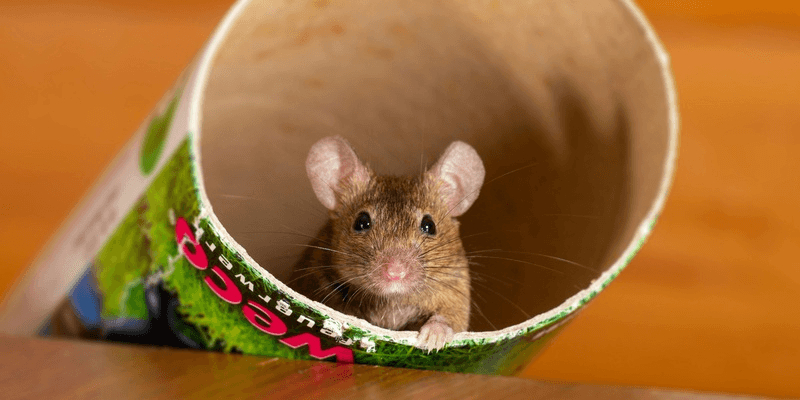
Mice
Mus musculus
House mice are small rodents with pointed noses, small rounded ears, and long, nearly hairless tails. They can squeeze through openings as small as a dime.
Identification
- •Body length: 2.5-3.5 inches
- •Tail length: 2.75-4 inches
- •Weight: 0.5-1 ounce
- •Color: Light brown to gray
- •Droppings: Small, rod-shaped, pointed ends
Signs of Infestation
- •Droppings near food sources
- •Gnaw marks on furniture and wires
- •Scratching sounds in walls
- •Nests made of shredded materials
- •Greasy rub marks along walls
Health & Safety Risks
- •Contaminate food supplies
- •Spread diseases like Salmonella
- •Cause structural damage
- •Fire hazard from chewing wires
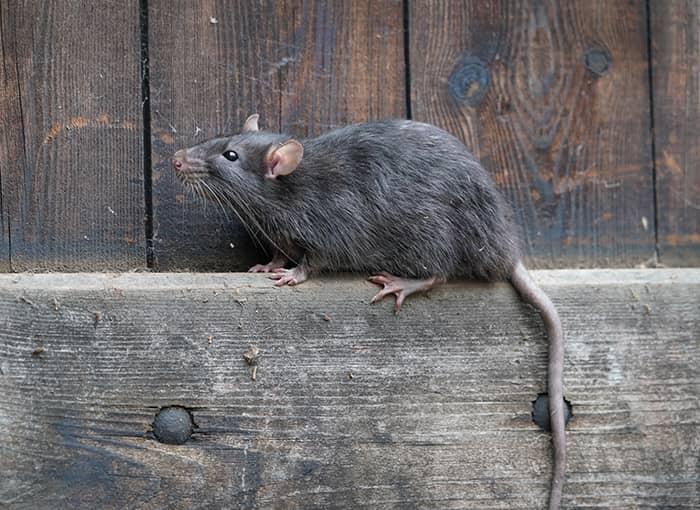
Rats
Rattus norvegicus
Norway rats are larger rodents with heavy, thick bodies. They are excellent swimmers and often found in basements and sewers.
Identification
- •Body length: 7-9.5 inches
- •Tail length: 6-8 inches
- •Weight: 7-18 ounces
- •Color: Brown with scattered black hairs
- •Droppings: Capsule-shaped, blunt ends
Signs of Infestation
- •Large droppings (3/4 inch)
- •Burrows around foundations
- •Runways along walls and fences
- •Gnaw marks on wood and pipes
- •Footprints and tail marks in dust
Health & Safety Risks
- •Carry serious diseases (Hantavirus, Leptospirosis)
- •Aggressive if cornered
- •Cause extensive property damage
- •Contaminate food and water supplies

Cockroaches
Blattella germanica
German cockroaches are the most common indoor species. They are fast-moving, nocturnal insects that prefer warm, humid environments.
Identification
- •Length: 0.5-0.6 inches
- •Color: Light brown to tan
- •Two dark parallel stripes behind head
- •Wings present but rarely fly
- •Fast runners
Signs of Infestation
- •Live or dead roaches, especially at night
- •Droppings resembling pepper or coffee grounds
- •Musty odor in infested areas
- •Egg cases (ootheca) in hidden areas
- •Smear marks along walls
Health & Safety Risks
- •Trigger allergies and asthma
- •Spread bacteria and pathogens
- •Contaminate food preparation areas
- •Reproduce rapidly (300+ offspring per year)
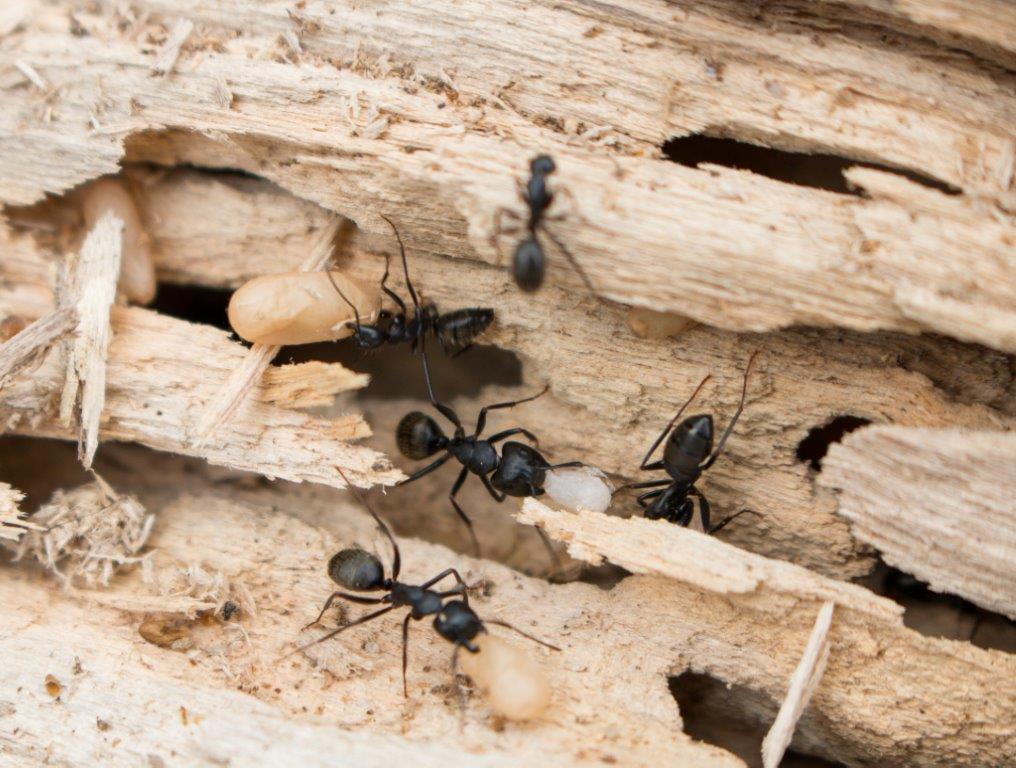
Ants
Camponotus spp.
Carpenter ants are large ants that excavate wood to build their nests. They do not eat wood but can cause significant structural damage.
Identification
- •Length: 0.25-0.5 inches (workers)
- •Color: Black, red, or combination
- •Bent antennae with one node
- •Evenly rounded thorax
- •Large mandibles
Signs of Infestation
- •Sawdust-like wood shavings (frass)
- •Rustling sounds in walls
- •Winged ants (swarmers) in spring
- •Trails of ants, especially at night
- •Hollow-sounding wood
Health & Safety Risks
- •Weaken wooden structures
- •Create extensive tunnel networks
- •Indicate moisture problems
- •Difficult to eliminate without professional help
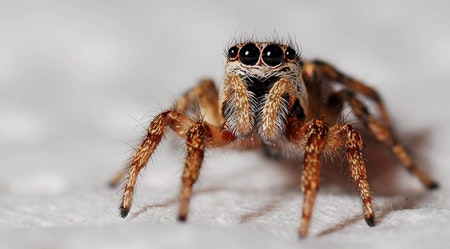
Spiders
Parasteatoda tepidariorum
Common house spiders are beneficial predators but can become a nuisance when populations grow too large indoors.
Identification
- •Body length: 0.2-0.3 inches
- •Color: Yellowish-brown with patterns
- •8 legs, 8 eyes
- •Build irregular cobwebs
- •Females larger than males
Signs of Infestation
- •Cobwebs in corners and ceilings
- •Live spiders near webs
- •Egg sacs in protected areas
- •Increased activity in fall
- •Dead insects in webs
Health & Safety Risks
- •Unsightly webs and droppings
- •Bites (rare, usually harmless)
- •Indicate presence of other insects
- •Can cause anxiety for arachnophobes
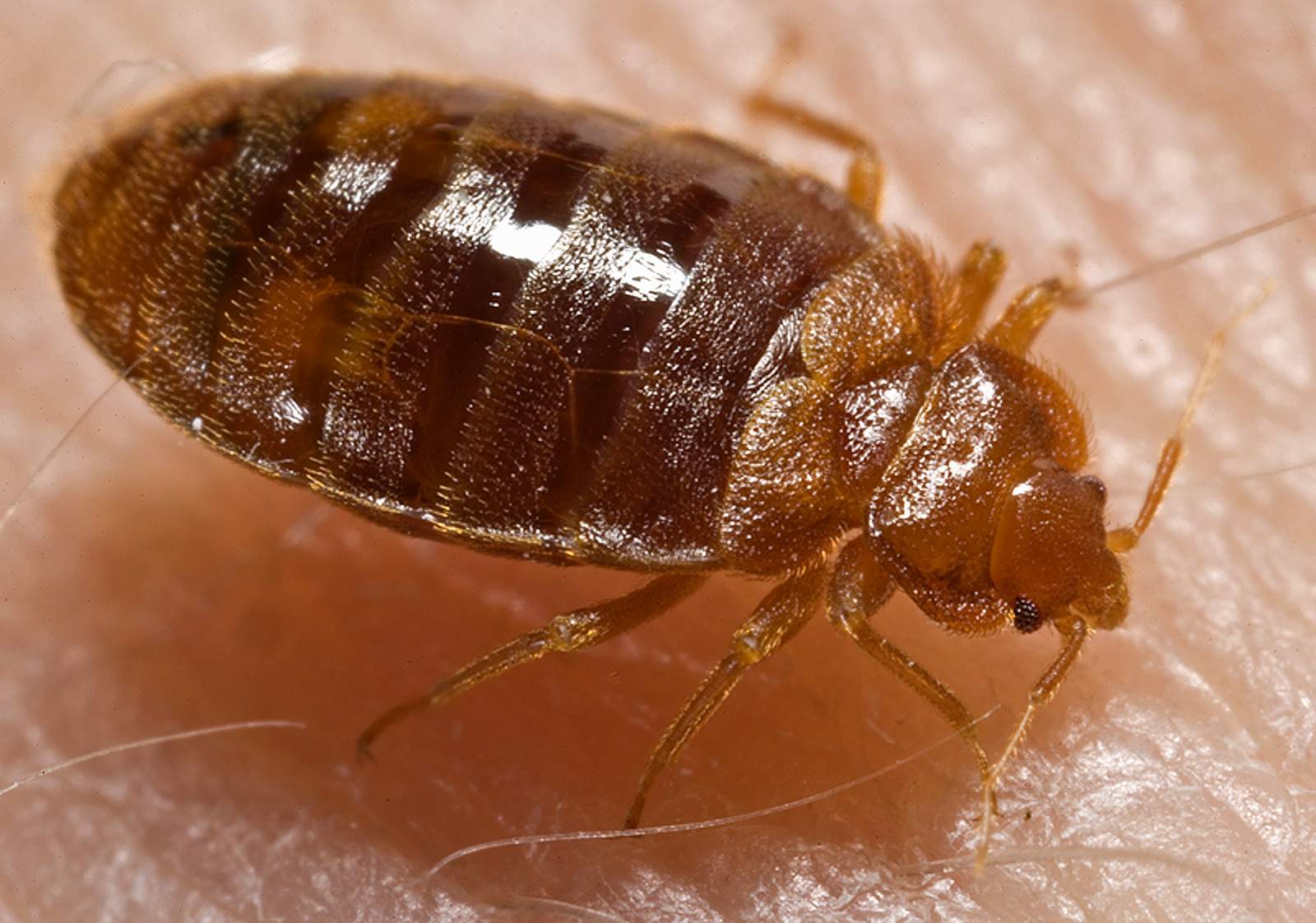
Bed Bugs
Cimex lectularius
Bed bugs are parasitic insects that feed exclusively on blood. They are excellent hitchhikers and can spread rapidly between locations.
Identification
- •Length: 0.2-0.3 inches (apple seed size)
- •Color: Reddish-brown, mahogany after feeding
- •Flat, oval-shaped body
- •No wings, cannot fly or jump
- •Sweet, musty odor when abundant
Signs of Infestation
- •Small blood stains on sheets
- •Dark spots (excrement) on bedding
- •Live bugs in mattress seams
- •Shed skins near hiding spots
- •Itchy, red bite marks in lines or clusters
Health & Safety Risks
- •Cause itchy, uncomfortable bites
- •Psychological distress and insomnia
- •Expensive to eliminate
- •Can spread quickly to other rooms
- •Secondary infections from scratching
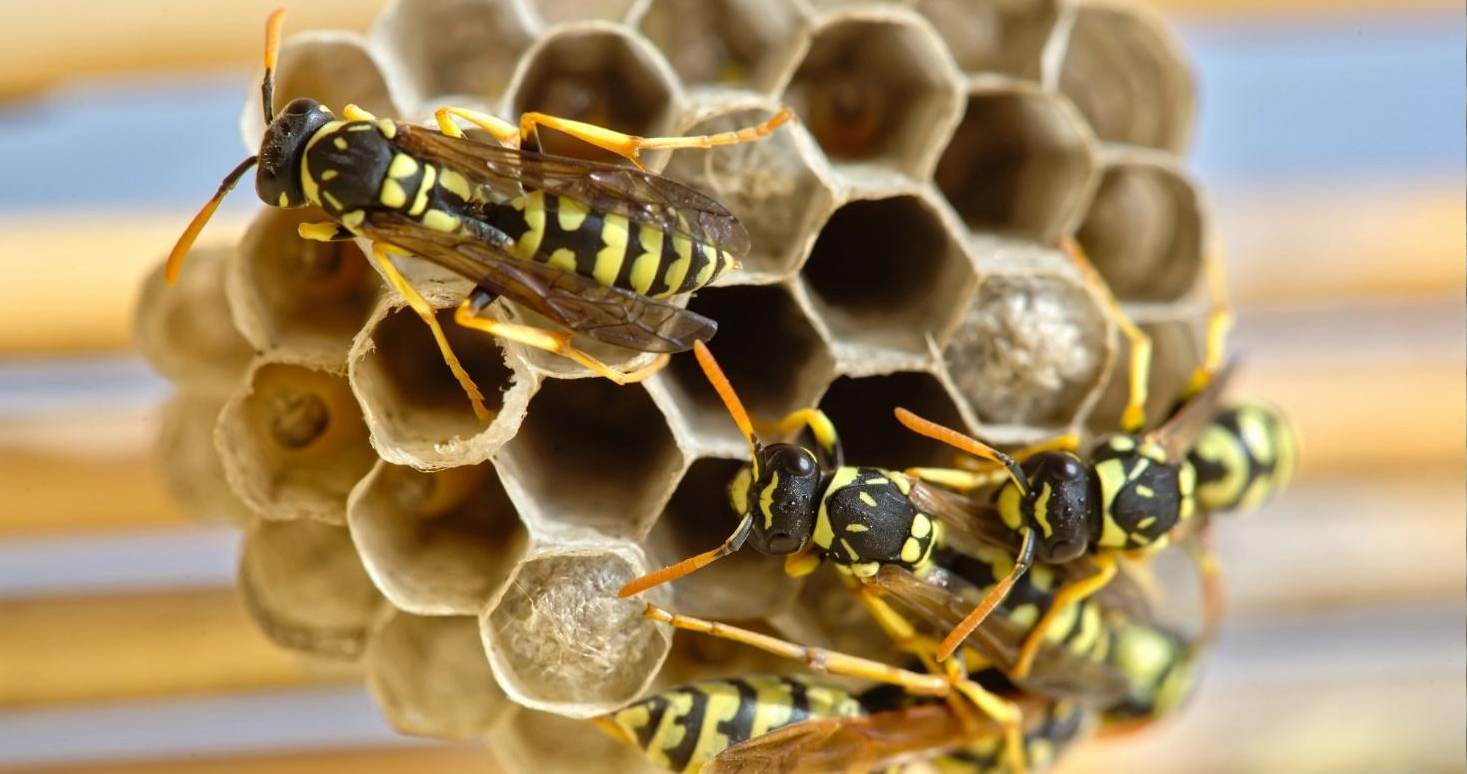
Wasps
Vespula spp.
Wasps are stinging insects that build paper nests around homes. They can be aggressive when their nest is threatened and pose a danger to those with allergies.
Identification
- •Length: 0.5-1 inch
- •Color: Yellow and black striped
- •Narrow waist between thorax and abdomen
- •Two pairs of wings
- •Smooth body (unlike fuzzy bees)
Signs of Infestation
- •Paper-like nests under eaves or in trees
- •Increased wasp activity around property
- •Wasps entering holes in walls or ground
- •Chewed wood surfaces near nests
- •Buzzing sounds from hidden areas
Health & Safety Risks
- •Painful stings that can cause allergic reactions
- •Can sting multiple times (unlike bees)
- •Aggressive when nest is disturbed
- •Dangerous for children and pets
- •Anaphylaxis risk for allergic individuals
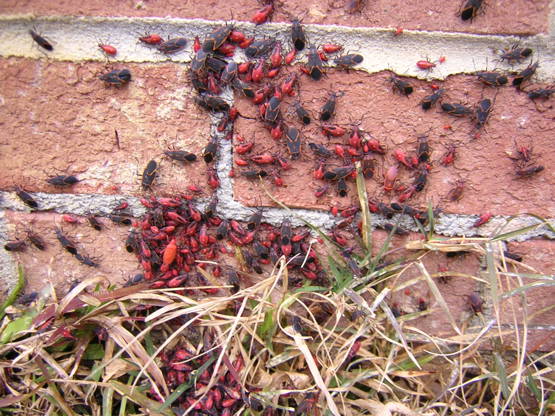
Box Elder Bugs
Boisea trivittata
Box elder bugs are nuisance pests that congregate in large numbers on sunny surfaces. They seek shelter indoors during fall and can stain surfaces with their excrement.
Identification
- •Length: 0.5 inches
- •Color: Black with red or orange markings
- •Flat, elongated oval shape
- •Six legs and two antennae
- •Wings lay flat on back
Signs of Infestation
- •Large clusters on sunny exterior walls
- •Groups around windows and doors
- •Dead bugs in window sills
- •Red-orange stains on fabrics
- •Musty odor when crushed
Health & Safety Risks
- •Stain curtains, walls, and furniture
- •Unpleasant odor when disturbed
- •Can bite (rarely, and not harmful)
- •Large infestations are unsightly
- •Difficult to control without professional help
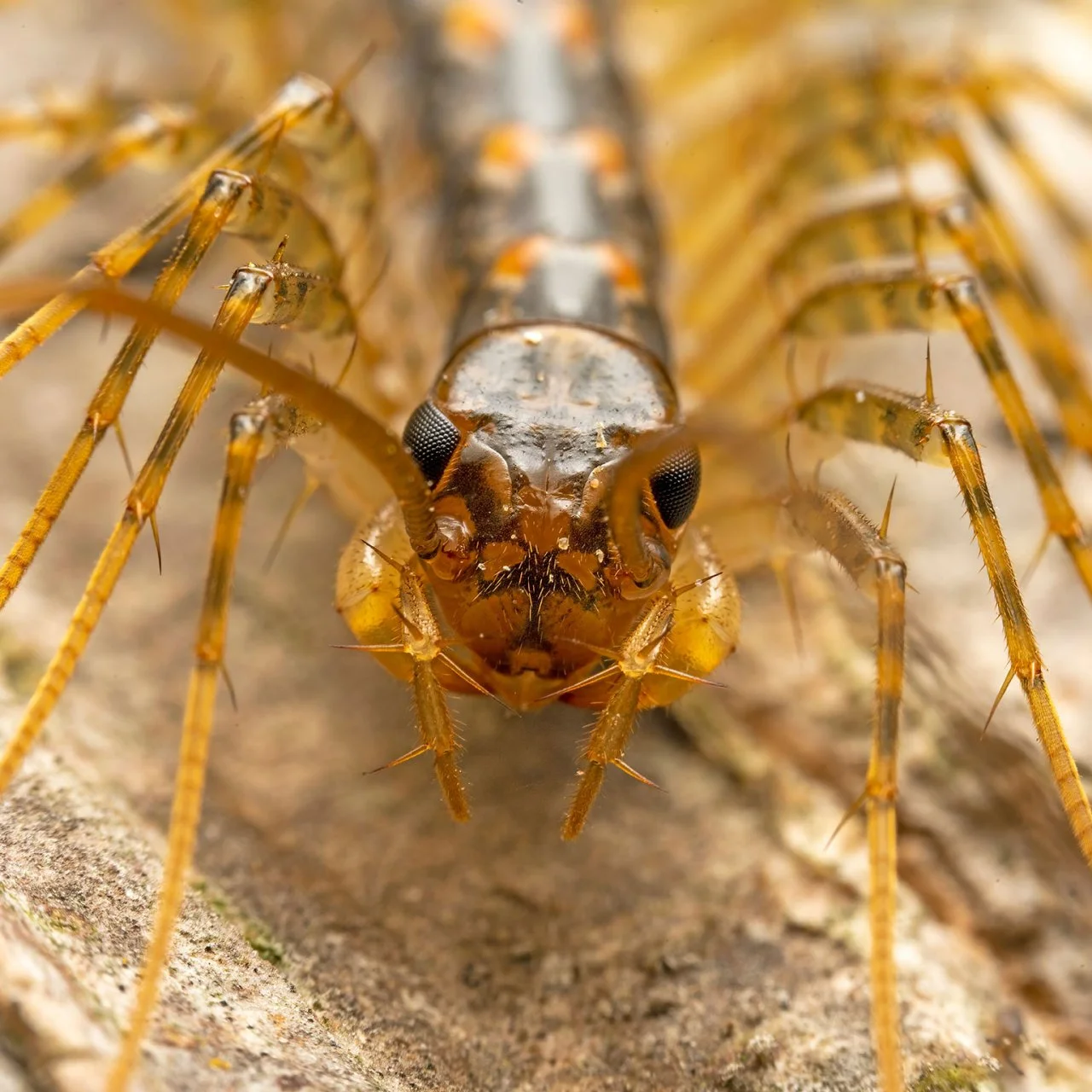
Centipedes
Scutigera coleoptrata
House centipedes are fast-moving arthropods with many legs. While they eat other pests, their appearance is alarming and they can deliver a painful bite if handled.
Identification
- •Length: 1-1.5 inches (body)
- •Color: Yellowish-brown with dark stripes
- •15 pairs of long, delicate legs
- •Long antennae
- •Extremely fast movement
Signs of Infestation
- •Sightings in damp areas (bathrooms, basements)
- •Found near drains and pipes
- •Active at night
- •Presence indicates other pest prey
- •Shed leg segments
Health & Safety Risks
- •Startling appearance causes distress
- •Can bite if handled (painful but not dangerous)
- •Indicate moisture problems
- •Sign of other pest infestations
- •Can trigger phobias
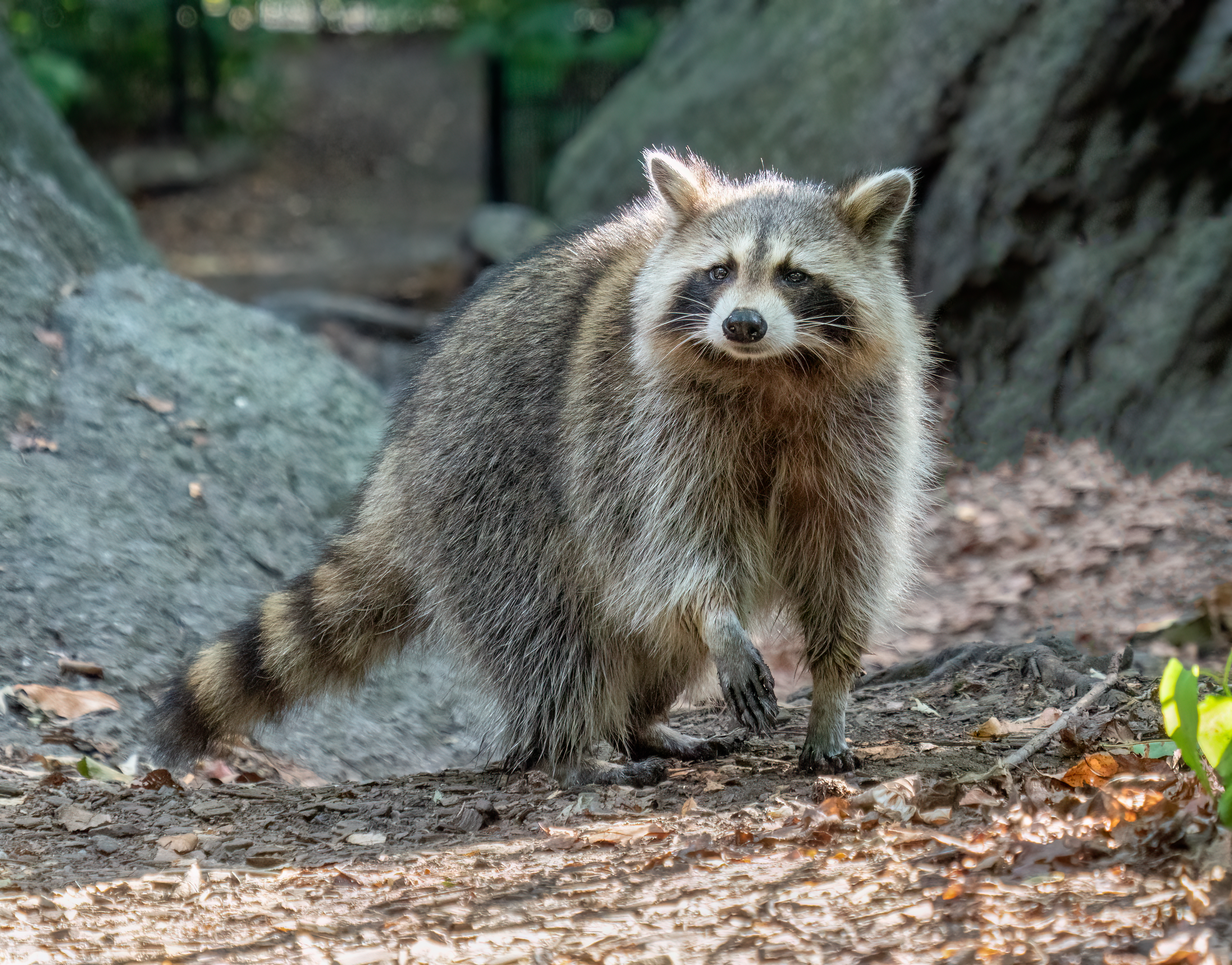
Wildlife Live Capture
Procyon lotor & others
We offer humane live capture and removal services for raccoons, squirrels, skunks, and other wildlife that have made their way into your property. Our methods are safe and ethical.
Identification
- •Raccoons: Masked face, ringed tail, 10-30 lbs
- •Squirrels: Bushy tail, 1-2 lbs
- •Skunks: Black with white stripe, distinct odor
- •Opossums: Gray fur, pointed snout, hairless tail
- •Various sizes depending on species
Signs of Infestation
- •Noises in attic or walls (scratching, thumping)
- •Damaged soffits, vents, or shingles
- •Droppings near entry points
- •Torn garbage bags or scattered trash
- •Tracks or trails around property
Health & Safety Risks
- •Can carry rabies and other diseases
- •Damage to insulation and wiring
- •Contamination from droppings and urine
- •Aggressive if cornered or protecting young
- •Attract other pests like fleas and ticks
When to Call a Professional
✓Multiple pest sightings in a short time
✓Evidence of nesting or breeding
✓Property damage from pests
✓Failed DIY treatment attempts
✓Allergic reactions or health concerns
✓Pests in food preparation areas
Ready to Eliminate Your Pest Problem?
Get a free quote today and let our experienced team protect your home or business.15+ years of trusted service.